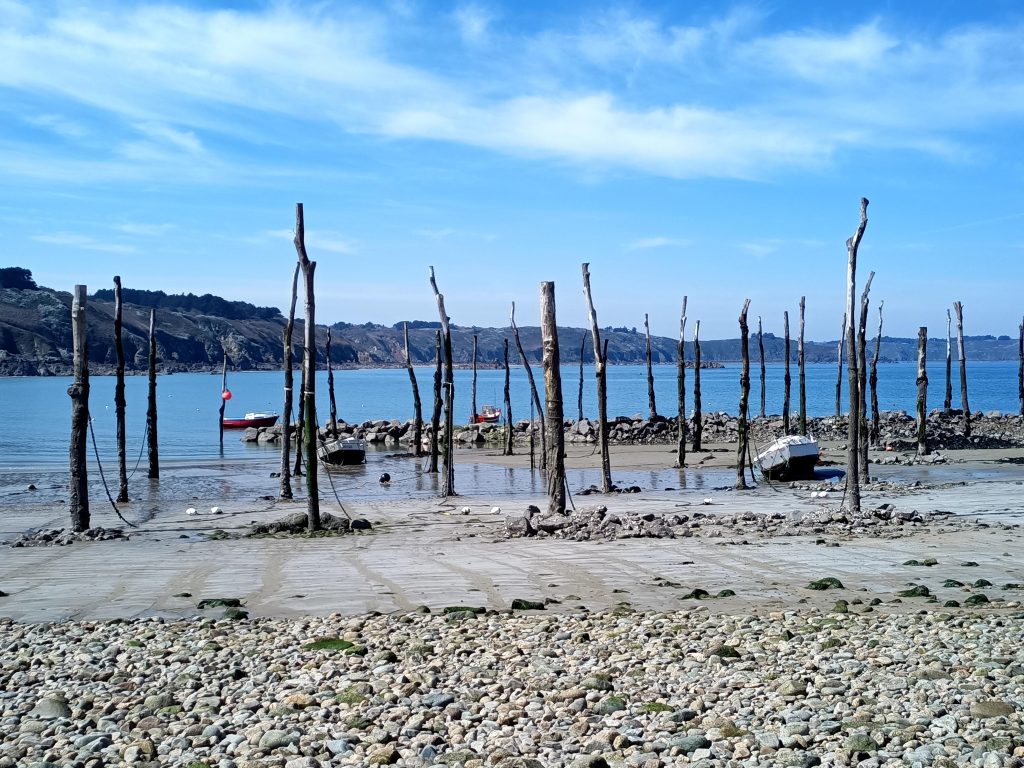
Tucked beneath the towering cliffs of Plouha on Brittany’s northern coast lies one of France’s most unusual working ports. But Gwin Zégal isn’t a modern port with concrete docks. Instead, you’ll find rows of weathered wooden stakes set deep in the sand. Boats tie to these posts, and this simple system has kept fishermen moored here for centuries. At low tide, the forest of posts rises from the seabed like something ancient and deliberate, quietly resisting the pull of time and tide.
What is Gwin Zégal?
Gwin Zégal is a small traditional fishing port near Plouha in Côtes-d’Armor. Unlike modern harbours, boats here are secured between vertical wooden posts, embedded directly into the sand. This system predates modern harbours. It has influenced others, but remains rare today.
What Makes it Special
Listed as European Maritime Heritage, the port of Gwin Zegal is a source of pride for the local people. It is one of only 2 ports of its kind that exist in all of France. The other port is also in Brittany, the Port du Mazou in the Finistère. These are the last two reminders of this ancient practice.
This small forest port really is a living, ever changing thing. Fishermen use American red oaks because they only take 25 years to grow compared to 75 years for a classic oak tree. As a result, over 150 oaks have been planted around the town of Plouha to maintain this port. Once planted with their roots in the sand the trunks have an average lifespan of 15 years. Locals remove the oldest trunks at low tide two or three times a year and replace them.
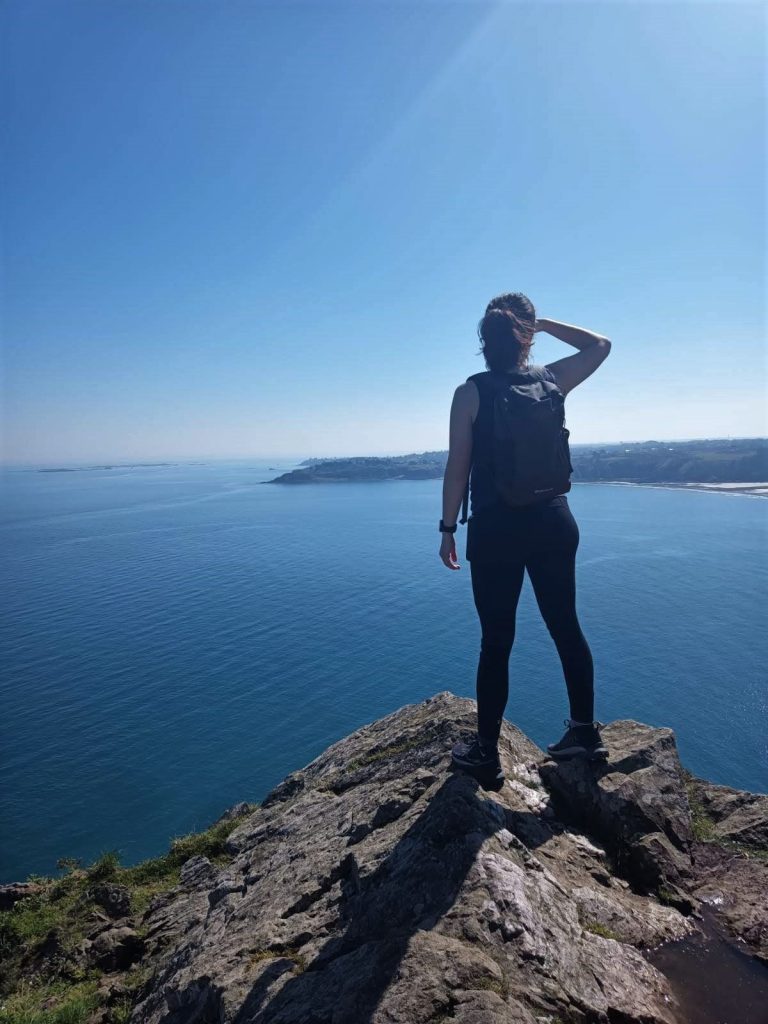
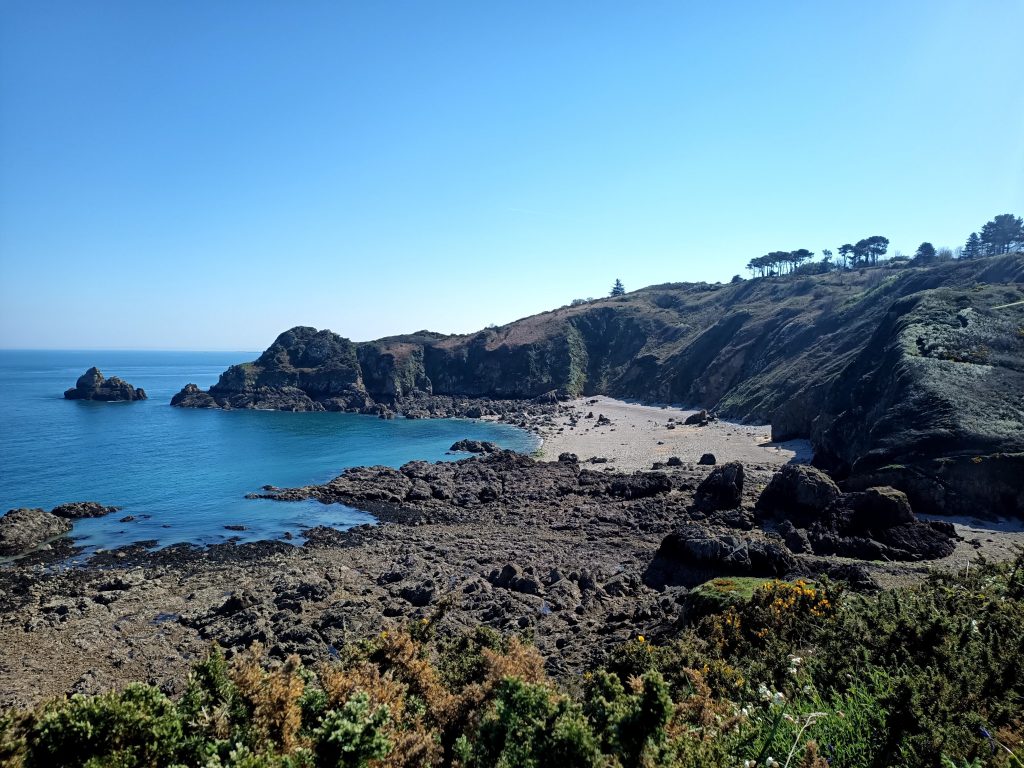
The semi-island or islet sheltering the port is known as “the turtle” by local people. It is accessible at low tide; excellent for viewing the port from above, exploring the rocky caverns below and even peering into a rock pool or two.
“Here, each tide writes its own story. And the silence, punctuated only by the surf, is enough to remind us how much this discreet but remarkable site deserves to be contemplated with gratitude.”
Plouha Local
But What Does Gwin Zégal Mean?
The name Gwin Zegal doesn’t sound very French. That’s because it is Breton. The Gaelic language of the people of Brittany. Gwin is the Breton word for wine and zegal means rye. Literally, the port is called Rye Wine or perhaps they really meant whiskey? As Brittany whiskeys are often made with rye. Tempting and delicious.
Consider staying in Saint-Quay-Portrieux, just 7km to the south. This small bustling seaside town has a good mix of hotels, campsites, cafés and restaurants, with an easy coastal feel that makes it pleasant to return to after a day outdoors.
Alternatively, Paimpol, around 21km north of the port, offers a larger harbour town atmosphere. From here you can access the island of Bréhat and explore more of northern Brittany’s coastline including the Pink Granite Coast.