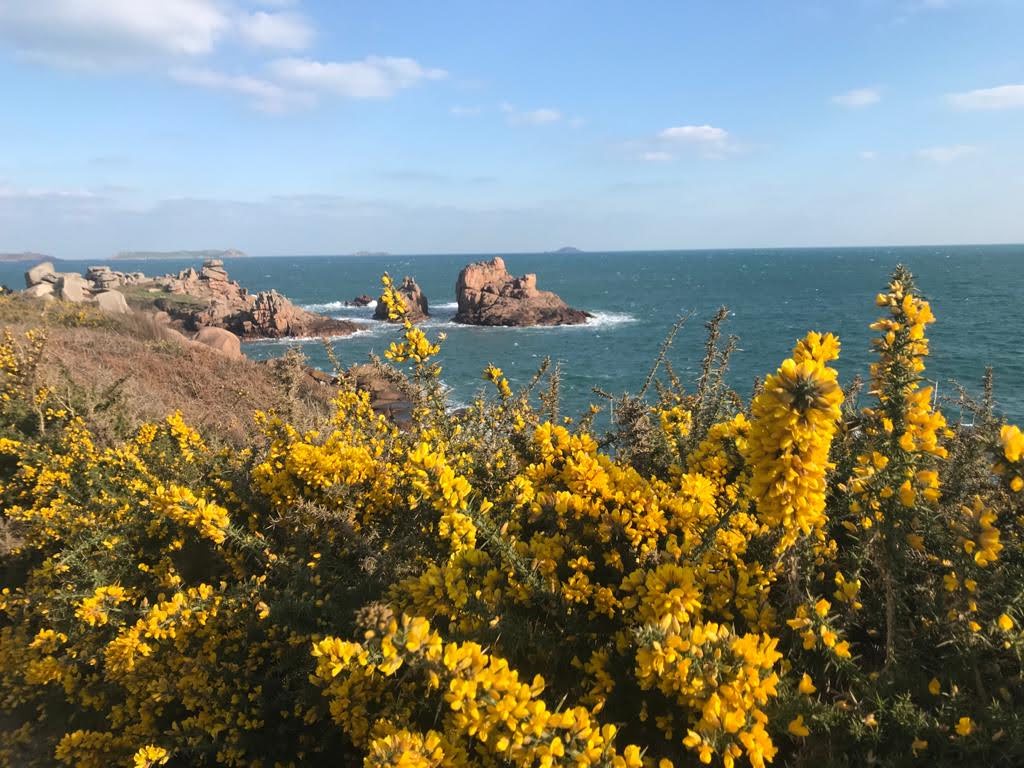
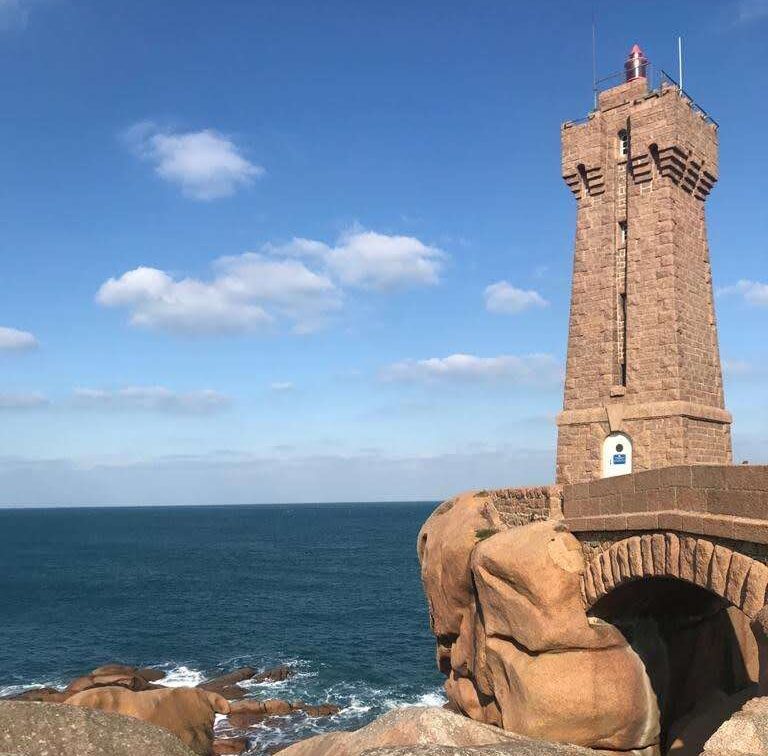
When people talk about the Brittany coast, they talk about the rose granite coast. Romantic, pink, sandy rocks positioned along the edge of the sea as if put there deliberately. The rocks themselves are the perfect shade of rose that make this stretch of coast feel like there is a permanent sun set. And when the sun does hit, the colours change and the view only gets better.
What is the Pink Granite Coast?
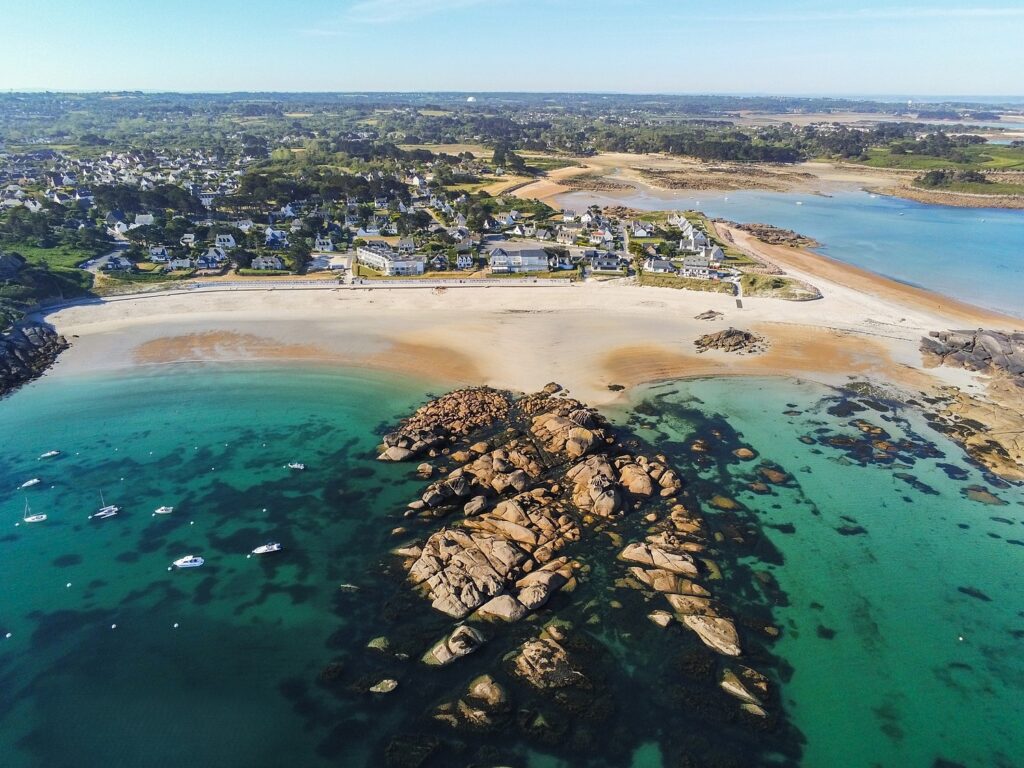
The Pink Granite Coast or Le Côte de Granite Rose in French is an area of outstanding beauty along the north Brittany coast in the Côtes-d’Armor. As the name implies the rocky coastline here is made up of huge pink boulders of soft granite formed over millions of years.
Where is the Pink Granite Coast?
North of the town of Lannion, it stretches from Trébeurden to Perros-Guirec. Use this map as a guide:
A favourite game of the locals is to give the rocks identities or names. Like when you were a child looking up at the sky pointing to each cloud and saying what you see. It’s the same here but with the rock formations. What do you see when you look at the rocks here? Some of them are as tall as 20 metres high and as daunting or imposing as that sounds the local nicknames for these rocks are less so. Napoleon’s Hat, the Lovers’ Hideaway, the Mushroom…
Why are the stones pink?
The granite formed about 300 million years ago.
The distinctive blush comes from feldspar crystals within the granite, which give the rock its warm tone. Depending on the light, the colour shifts from pale rose to a deeper coral. It is this play of light and stone that gives the coastline its quiet magic.
There are only two further coastal stretches in the world with the same characteristics: on the island of Corsica and in China.
Towns Along the Coast
Lannion
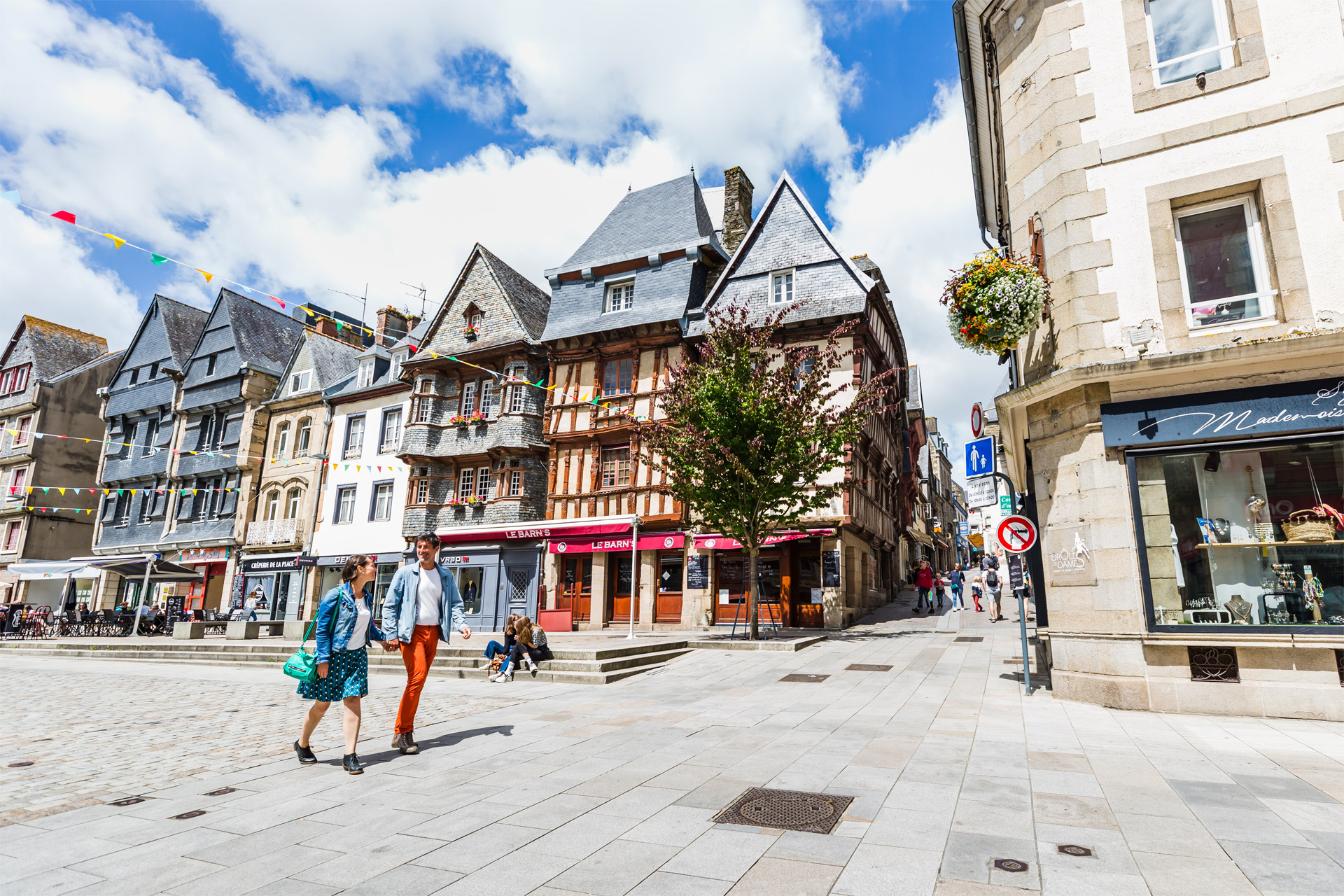
The gateway-town to the coast. With rail links from bigger cities. Further inland with Breton architecture and a fantastic market.
Perros-Guirec
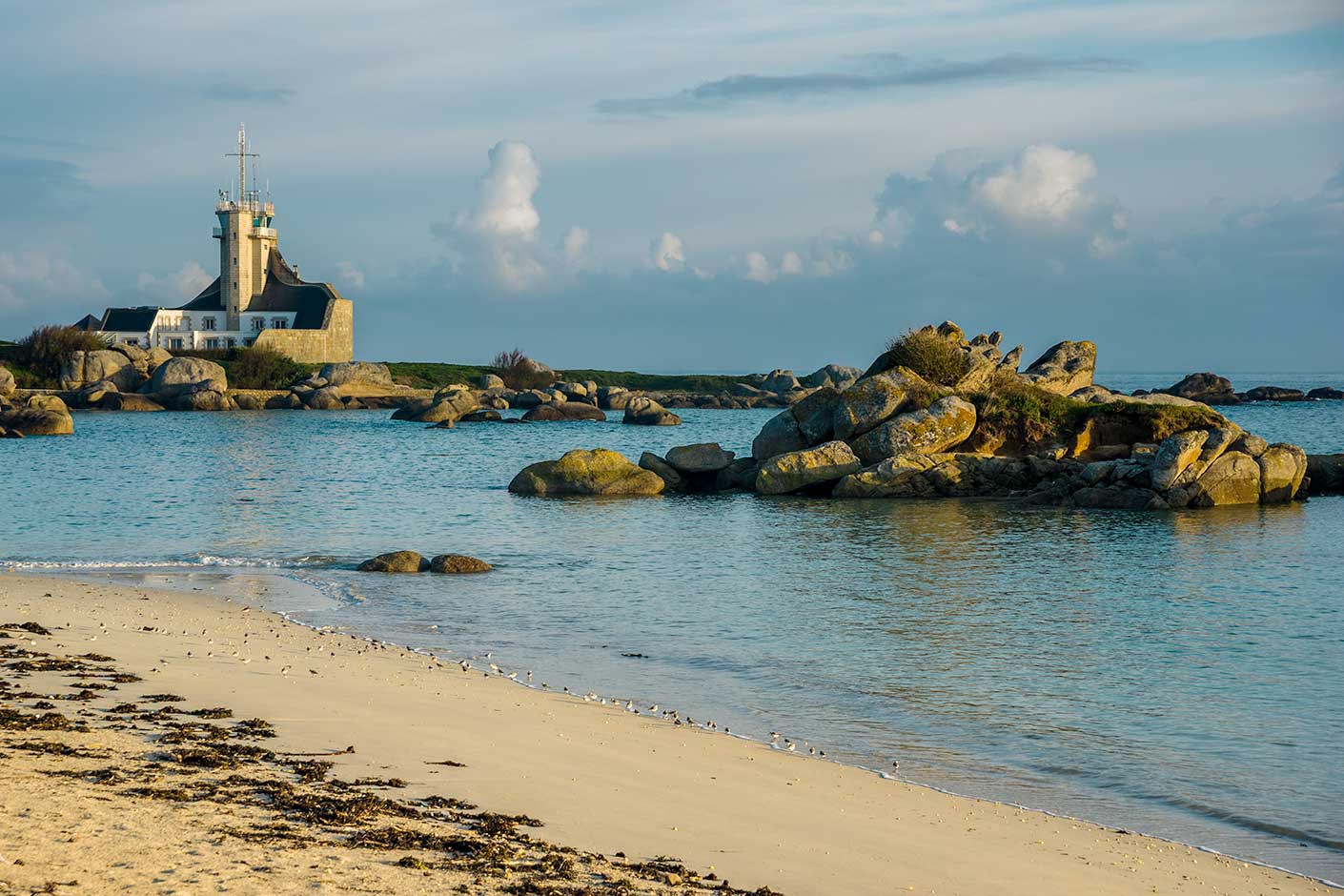
A well known seaside resort with acess to beautiful beaches. It is a port town where day trips along the coast or out to the 7 Îles are available.
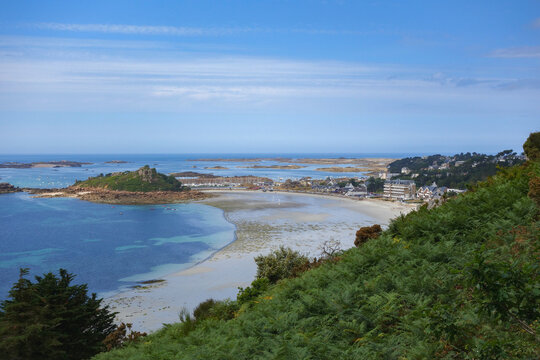
Trébeurden
On the western edge of the pink granite coast. Plenty of water sports along the beach and fishing available out of the port.
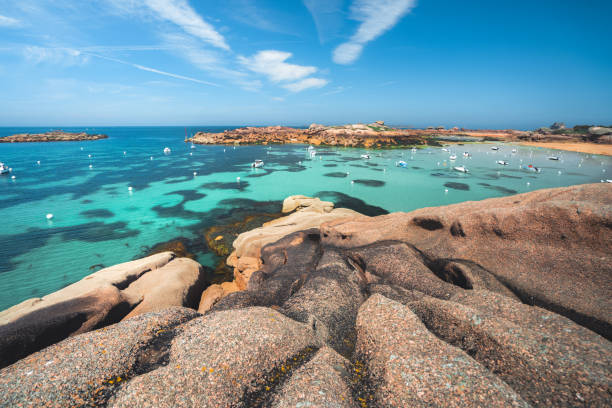
Trégastel
A sleepy coastal town that is host to tourists in the summertime, who flock to its granite-frames coves. Perfect for seeking out a spot to be alone.
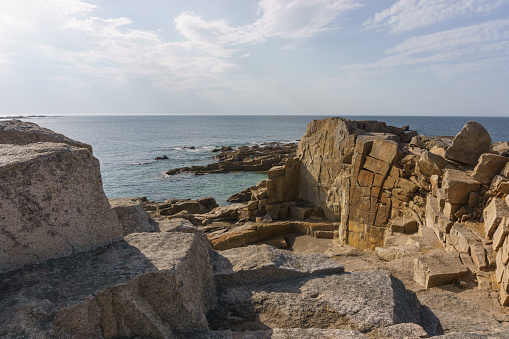
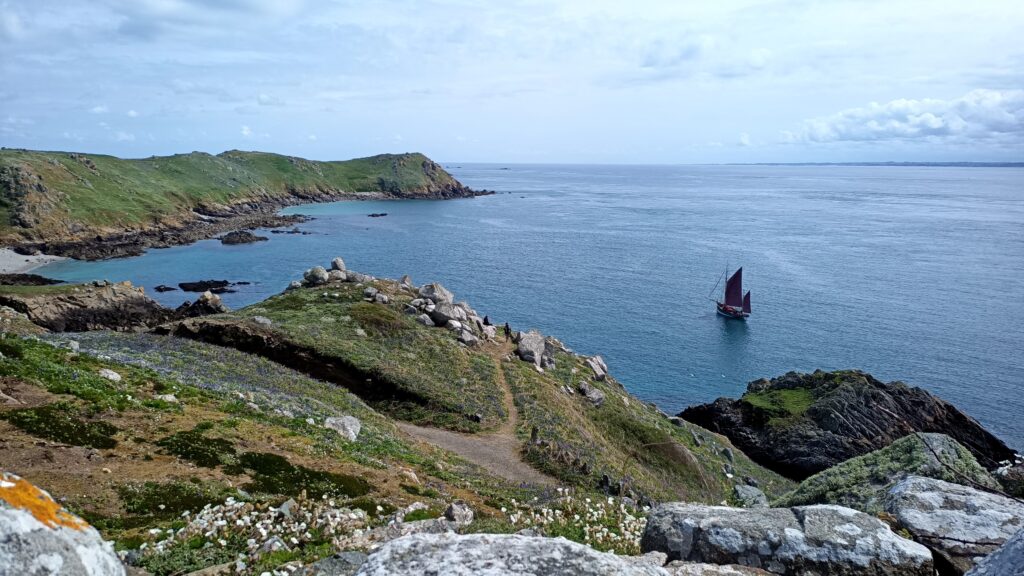
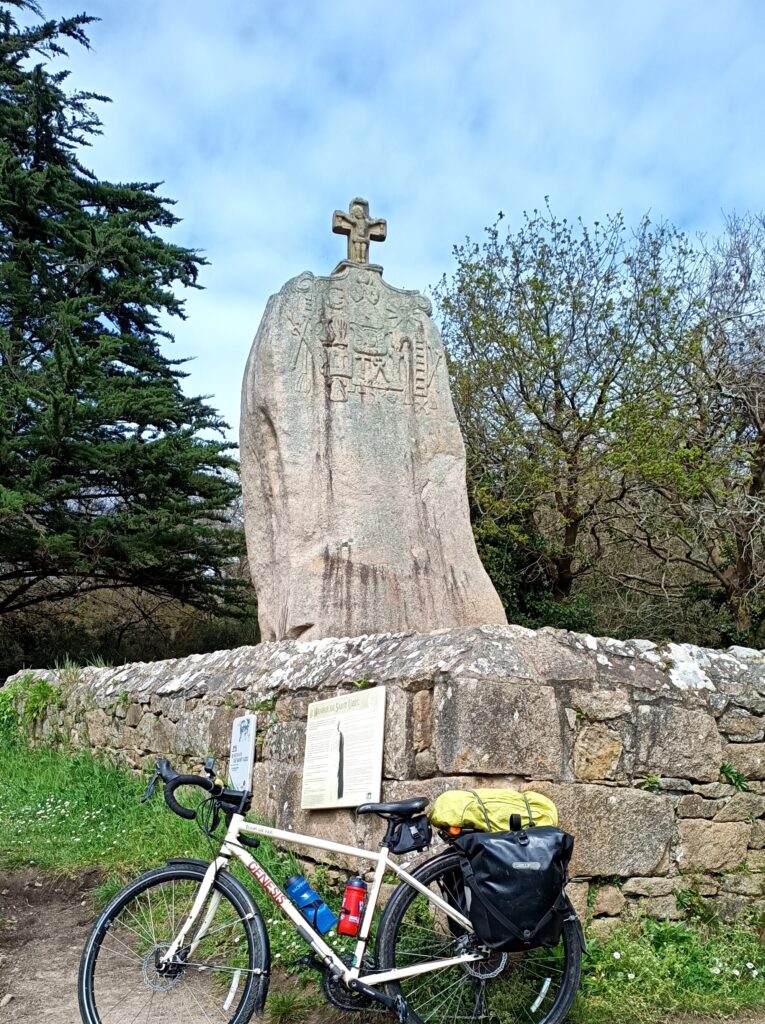
Yet the Rose Granite Coast is not a place to simply stop and look. It’s a place that unfolds gradually, step by step, along the edge of the Atlantic.