Brittany in English. Bretagne in French. But most importantly Breizh in Breton.
Brittany isn’t somewhere I simply visited; it’s somewhere I’ve slowly come to understand and call home. Shaped by tides, tradition and a fiercely independent spirit, this western edge of France feels distinct from anywhere else in the country. From salt-sprayed coastal paths to village markets and crêperies humming with a variety of Breton accents, Brittany reveals itself gradually and rewards those who linger.
Where is Brittany?
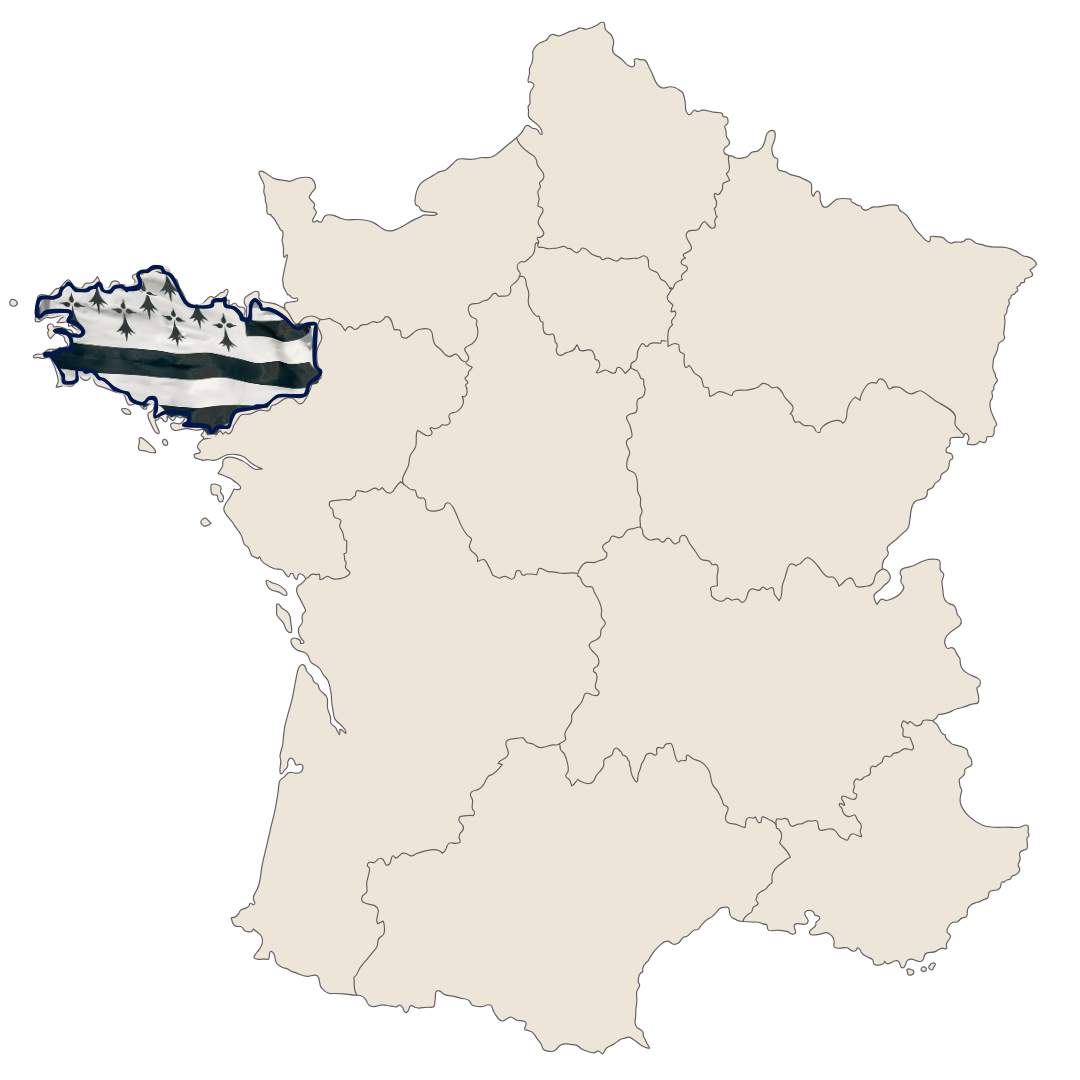
It is the westernmost region of France. An Atlantic-facing peninsula.
Brittany’s Celtic Roots
Unlike other regions of France, this was once an independant Celtic nation. This means it has it’s own traditions, language, music and culture.
Brittany is one of six Celtic nations. Along with:
– Scotland (Alba) – Wales (Cymru) – Ireland (Eire) – Cornwall (Kernow) – The Isle of Man (Mannin)
There is a solidarity you find amongst Celtic regions unlike anything else. Wherever the Celts roam, they bring with them their culture, their music, their sense of community and they are loved for it. While the Irish are better known around the world, I have discovered that the Bretons are similarly quick witted, fiercely independent and enjoy a drink. Or two. Or three.
I felt a resonance with Brittany from the moment I set foot in this region. Even as a foreigner who started off speaking next to no French at all, the people here wanted to know my story. Over a pint down at the bar, everyone is welcome, and you can easily start a conversation with a stranger.
Historic Duchy of Brittany
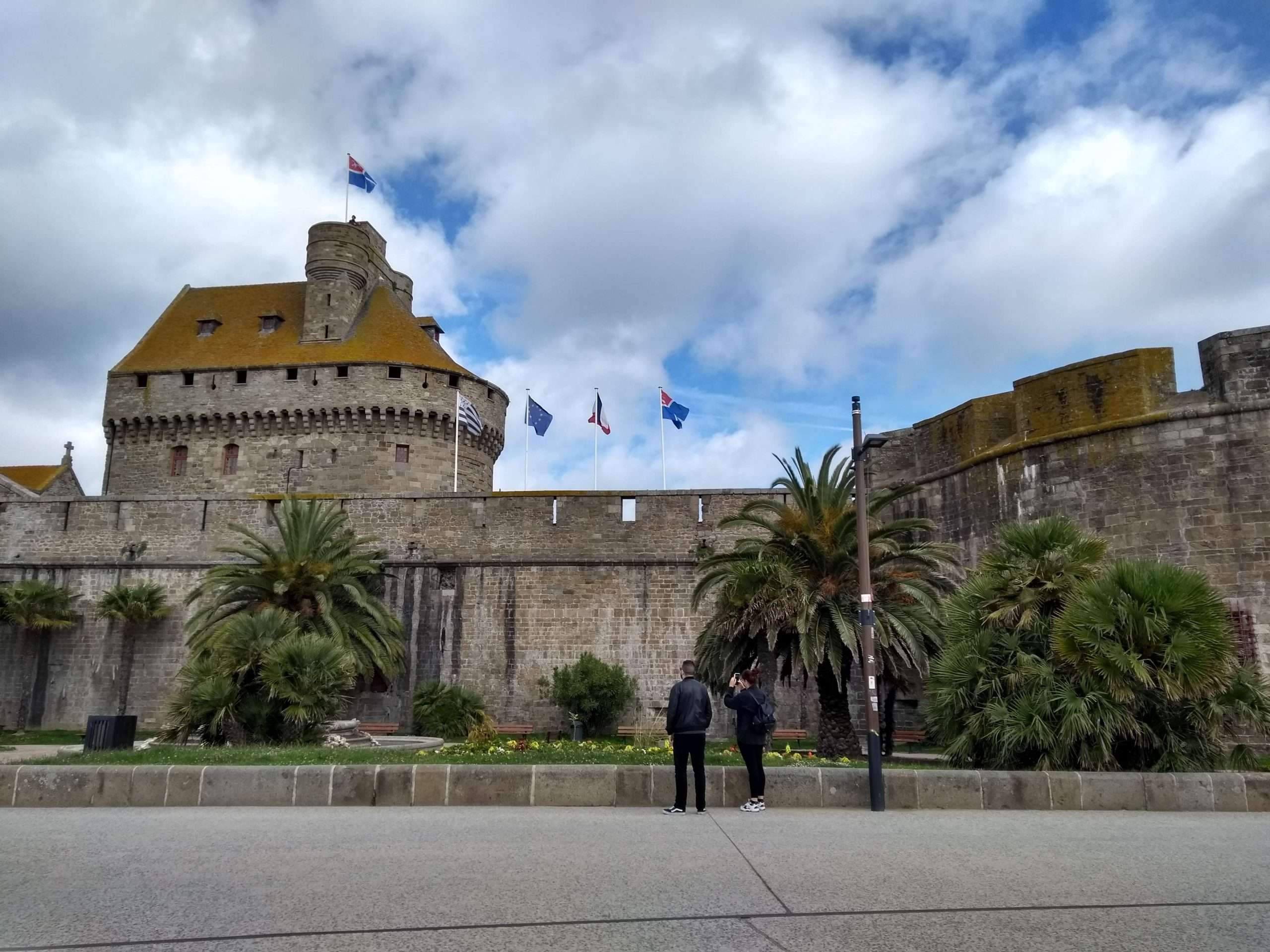
One clear relationship between Brittany and another Celtic country is the town of Saint Malo. Named after a Welsh saint named Malo. This name could derive from the Breton words mach meaning “warrant, hostage” and lou meaning “brilliant, bright, beautiful”. This Saint Malo travelled first to the island of Cézembre and then to the mainland, where he established a monastery. This is where the town of Saint Malo is to this day.
As with other Celtic nations, Brittany was an independent nation for many years and there are many that still believe it should be one. A famous and iconic figure in the history of Brittany was the Duchess Anne of Bretagne. She ruled as the duchess of Brittany from 1488 until her death in 1514 and has become a figure of Breton patriotism as her strategic marriages protected the Breton duchy from France for many years.
After Anne’s death, her daughter inherited the duchy and was betrothed to Francis, later King of France. Brittany’s autonomy then slipped away and in 1532 it became part of France.
The Weather That Shapes Brittany
Brittany has a reputation of being the rainiest region in France. I am here to tell you that is not at all the case! Despite being one of the northernmost regions and a peninsular, it is by no means the rainiest. In fact, it is the 13th rainiest region in France overall. The climate in Brittany for the most part is mild and the summers are warm. Especially on the south coast where temperatures in the summer months sit comfortably at around 20 degrees Celsius.
Just take a look at this map to see France’s average yearly rainfall in mm:
As you can see, the rainiest town in all of France is actually the very wet Biarritz in the southwest Basque country. Cheekily, this does not account for overall rainy days.
You might also notice that the second rainiest town in France is Brittany’s very own Brest. Its location as the western-most city in France might have something to do with that.
Yes. Brittany has its grey, rainy days that have earned its reputation. But that is what makes it so lush, green and fertile so that on those many sunny days it is impossible not to see the true beauty of the place.
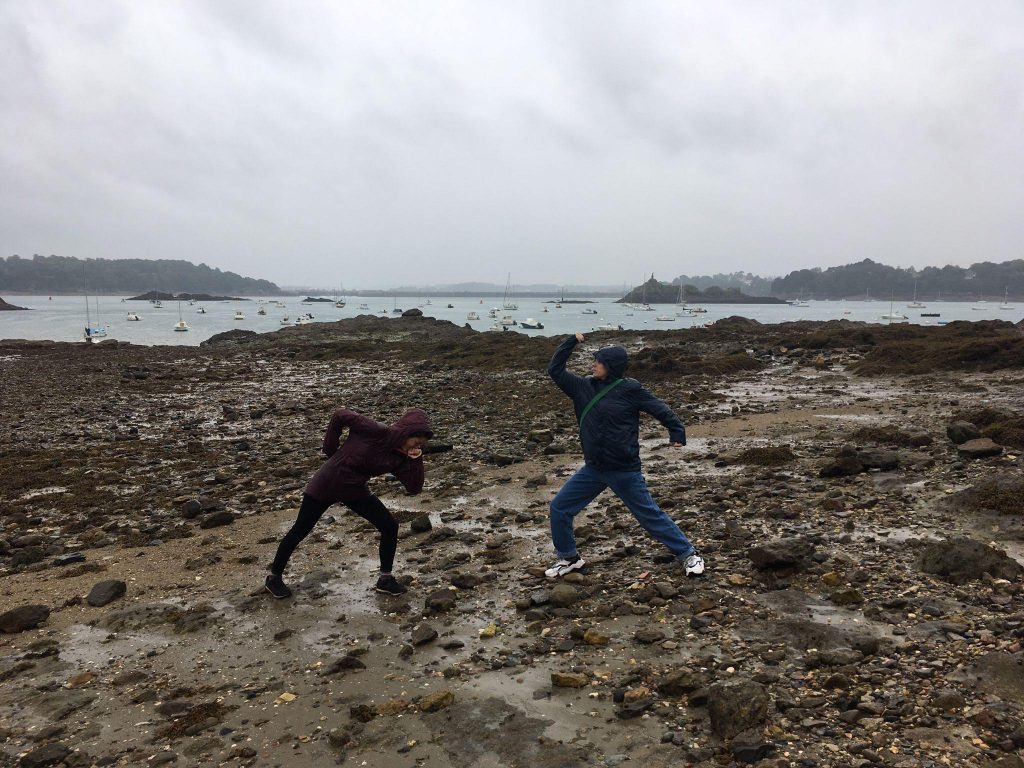
The northwest of France has on average 126 rainy days a year. One day out of every three, it might rain. In conclusion, it is not all doom and gloom in Brittany. If you visit in the colder wetter months of October to January, it will rain some of the time. But the summer months can be absolutely fantastic. I have been swimming along the north coast in beautiful weather in April and in September!
As they say in Brittany
En Bretagne, il ne pleut que sur les cons.
In Brittany, it only rains on arseholes!
Symbols of Breton Identity
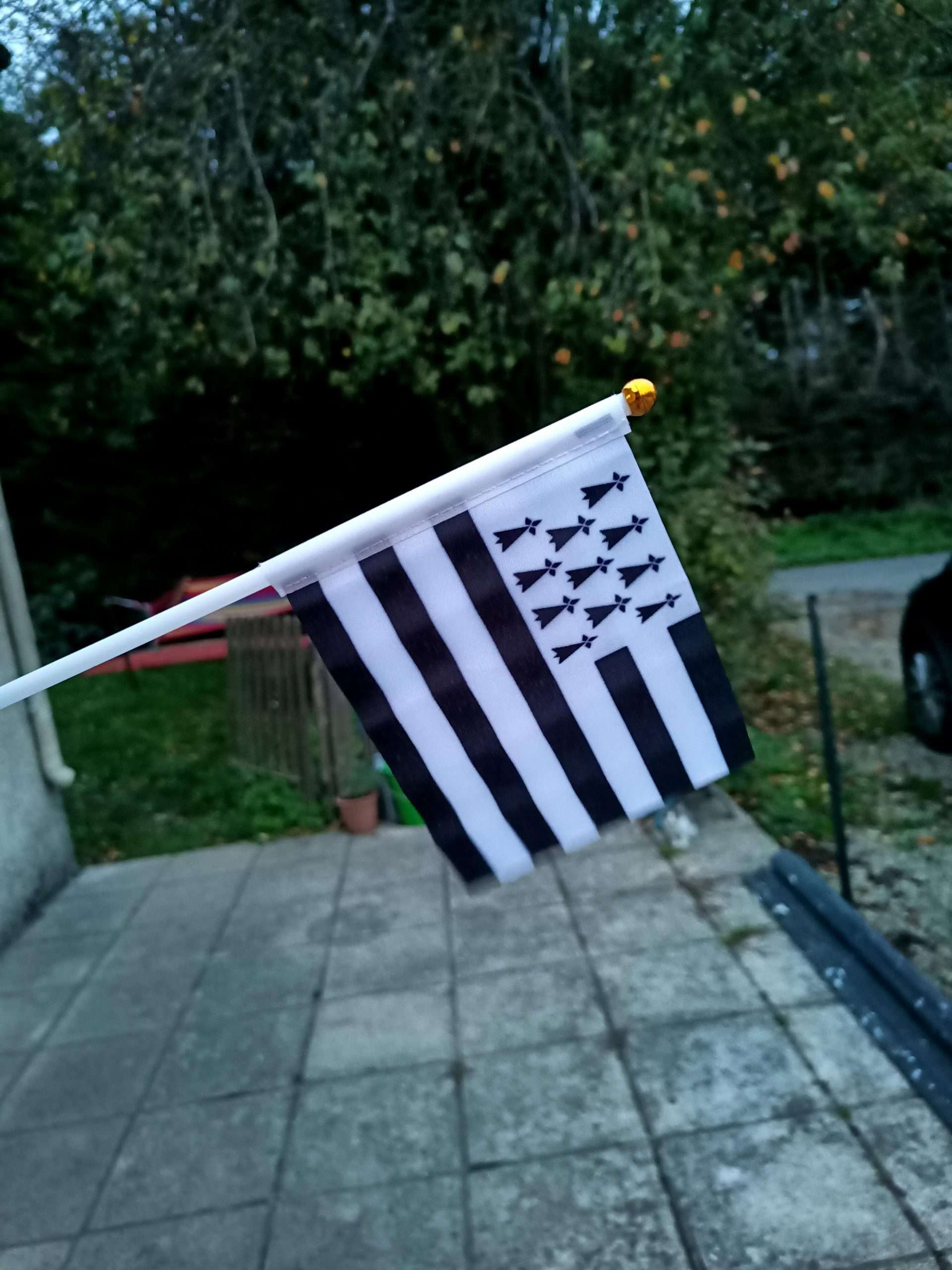
The Flag
You’ll see the flag of Brittany — the Gwenn ha Du, Breton for “white and black” — flying everywhere here. And it might look oddly familiar. Do you see the resemblance to the stars and stripes of the American flag? That is no coincidence.
Trying to reignite the fight for independence in Brittany, the Breton flag was redesigned in the early 1920s by activist Morvan Marchal. He saw the US flag as representing freedom and independence.
Each stripe on the flag represents one of the dioceses of Brittany. With the black stripes representing French or Gallo speaking dioceses and the white stripes representing the Breton speaking dioceses.
The small symbols in the top-left are ermine spots, drawn from the medieval arms of the Duchy of Brittany.
Legend has it that it was Duchess Anne of Bretagne who decided to adopt the ermine as the emblem of Brittany. The story goes that she was out on a hunt one day when her dogs caught the scent of an ermine. The hunting party pursued the stoat. She was struck by its beautiful white fur. The ermine fled and almost out ran the dogs until it encountered a muddy pond. The animal stopped before the pond and turned back to face its attackers. Anne took that to mean that the ermine was so proud of its white coat that it would rather be killed than get dirty.
The motto of the duchy of Brittany:
Kentoc’h mervet eget am zoatran (Breton)
Rather dead than spoiled.
While it is a great story, it is just that, a story. In fact, the ermine as an emblem of Brittany has been documented all the way back to the 10th century.
Breton Language
As a tourist in Brittany you will be most likely to hear Breton spoken further north of the region. Or if you keep your ears open, the two old blokes sat in the corner of the local bar might just be conversing in Breton. Street signs and town names in Brittany appear in both French and Breton. Be sure to ask a local how to pronounce the name of the town you are visiting. Sometimes locals use the Breton pronunciation and sometimes the French!
Between 1880 and the 1950s, regional languages were effectively banned from schools in France, and children were punished for speaking anything other than French. This changed in 1951 when Breton was allowed back in schools. Albeit limited to three hours a week and only if a teacher could/cared to teach it.
At the beginning of the 20th century, Breton was the most widely spoken Celtic language in Europe. Today there are just over 200,000 speakers. A significant drop from around one million in 1950 but the story doesn’t end there. In recent years the language has seen a quiet resurgence, with young people learning it in growing numbers, helped in no small part by Breton music. In 2022, France’s Eurovision entry – Alvan & Ahez – performed entirely in Breton.
Here are some phrases to try in Breton:
| Breton | French | English |
|---|---|---|
| Demat | Bonjour | Hello |
| Degemer mad | Bienvenue | Welcome |
| Kenavo | Au revoir | Goodbye |
| Trugarez | Merci | Thank you |
| Yec’hed mat! | Santé! | Cheers! |
A Maritime Region
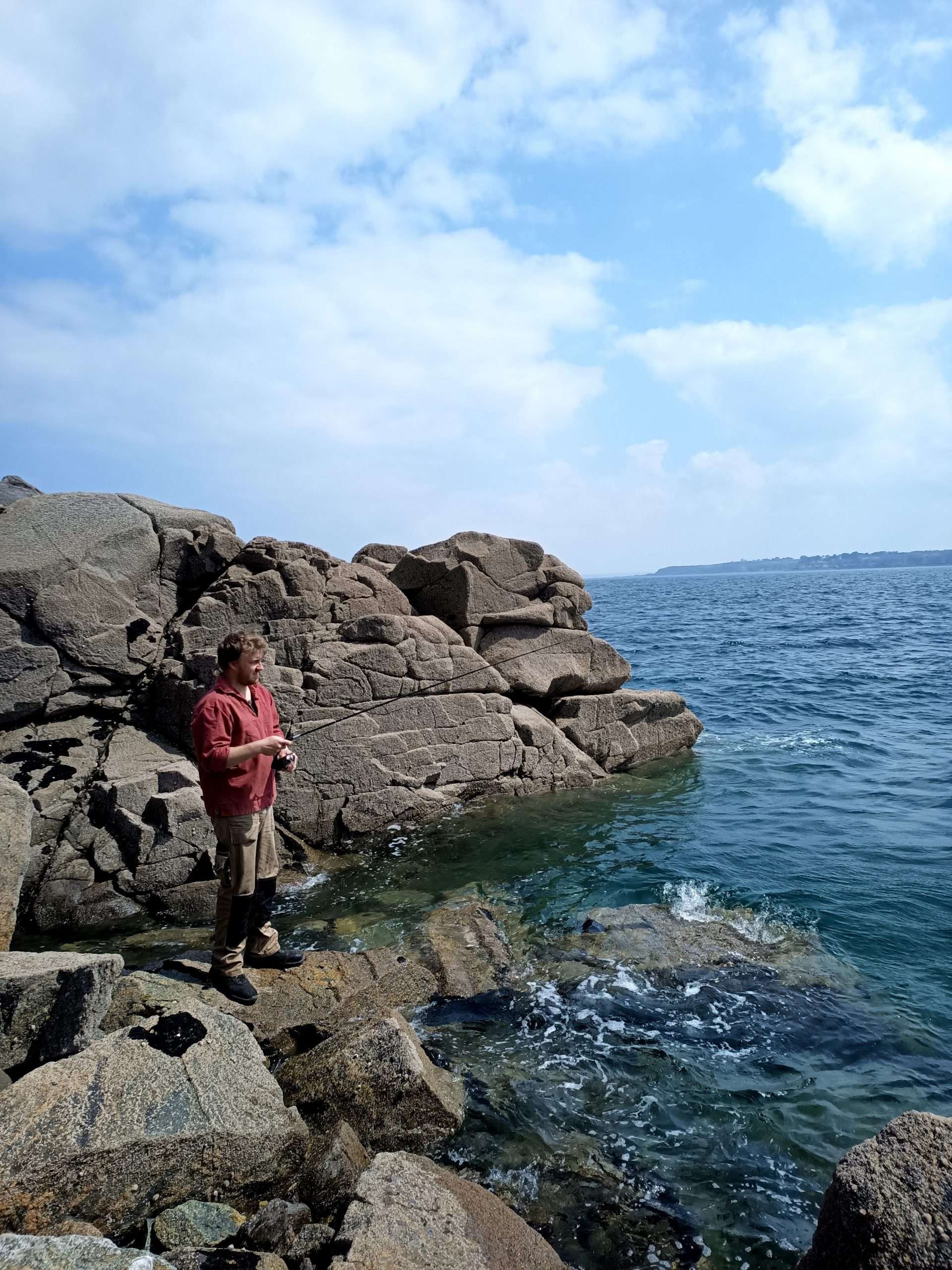
Brittany has always been turned toward the Atlantic. Breton sailors known as the Terre-Neuvas once sailed all the way to Newfoundland to fish for cod, disappearing for months at a time before returning home with salted catches that fed coastal towns. Fishing still shapes the regional economy today, from working harbours to oyster beds hidden in quiet bays. Even the traditional Breton vareuse jacket was designed for life at sea; practical, windproof and built to last. The ocean here is not just scenery; it has always meant survival.
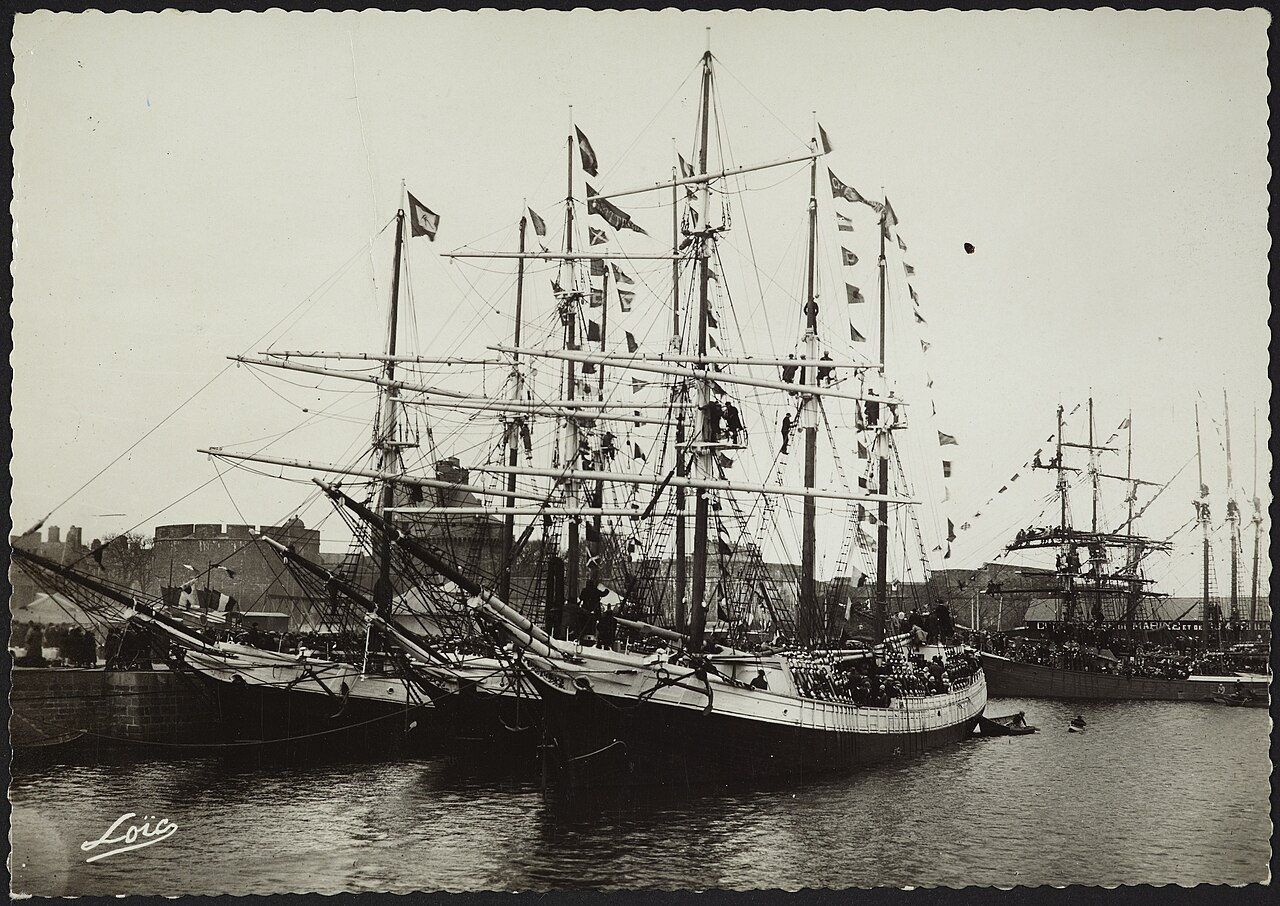
Terre-Neuvas
Between the 1500s and the early 1900s, Breton Terre-Neuvas crossed the Atlantic to Newfoundland each year, a hard-earned trade and family legacy that sustained entire coastal communities.
Fishing Fleet
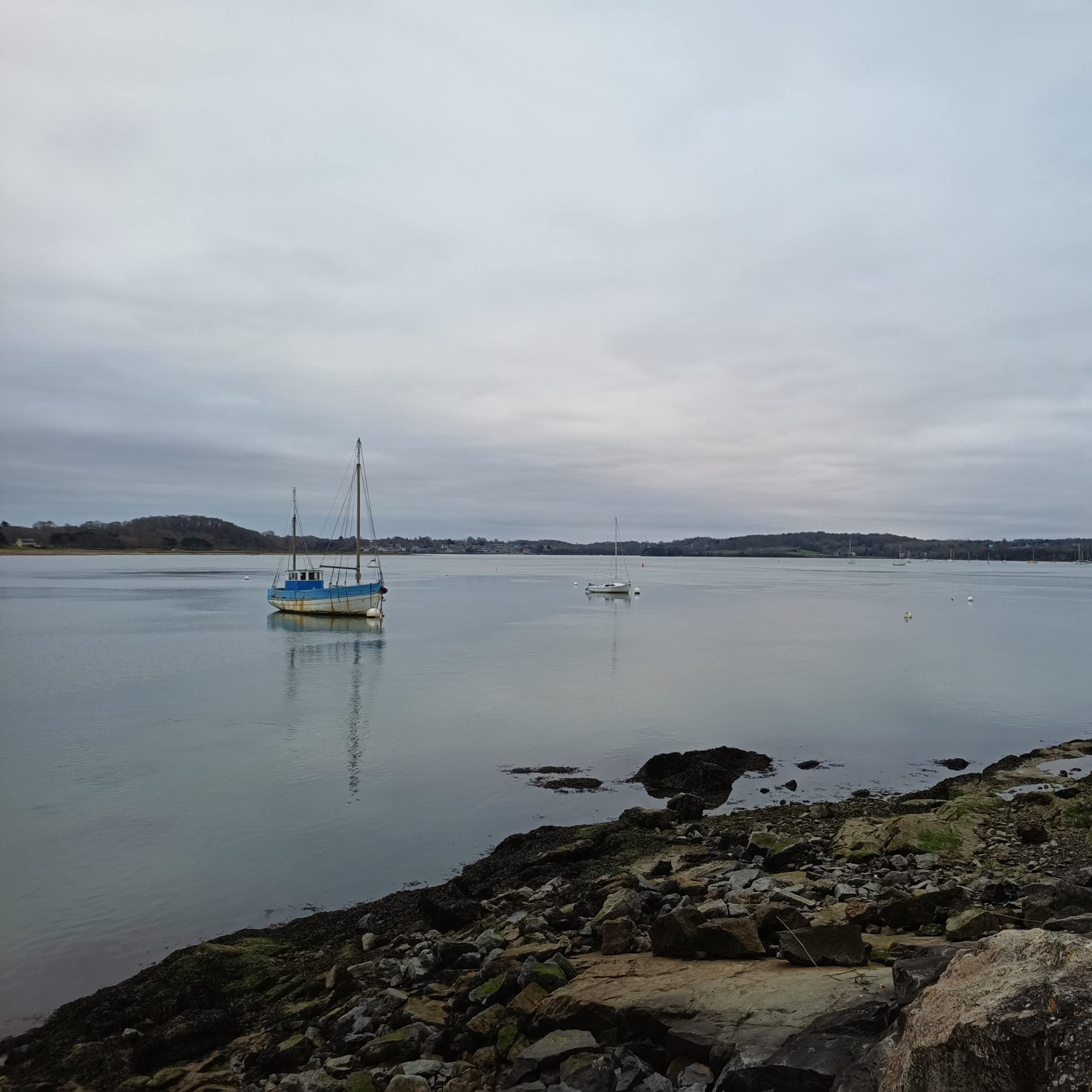
Fishing boats still leave Breton harbours before dawn, the Atlantic shaping both the rhythm of the day and the regional economy.
The Vareuse
The Breton vareuse began as a fisherman’s smock, crafted from tough sailcloth strong enough to endure Atlantic gales. Built for work rather than style, with its pockets stitched on the inside, it was often turned inside out when fishermen came ashore to their wives.
Oyster Beds At Low Tide
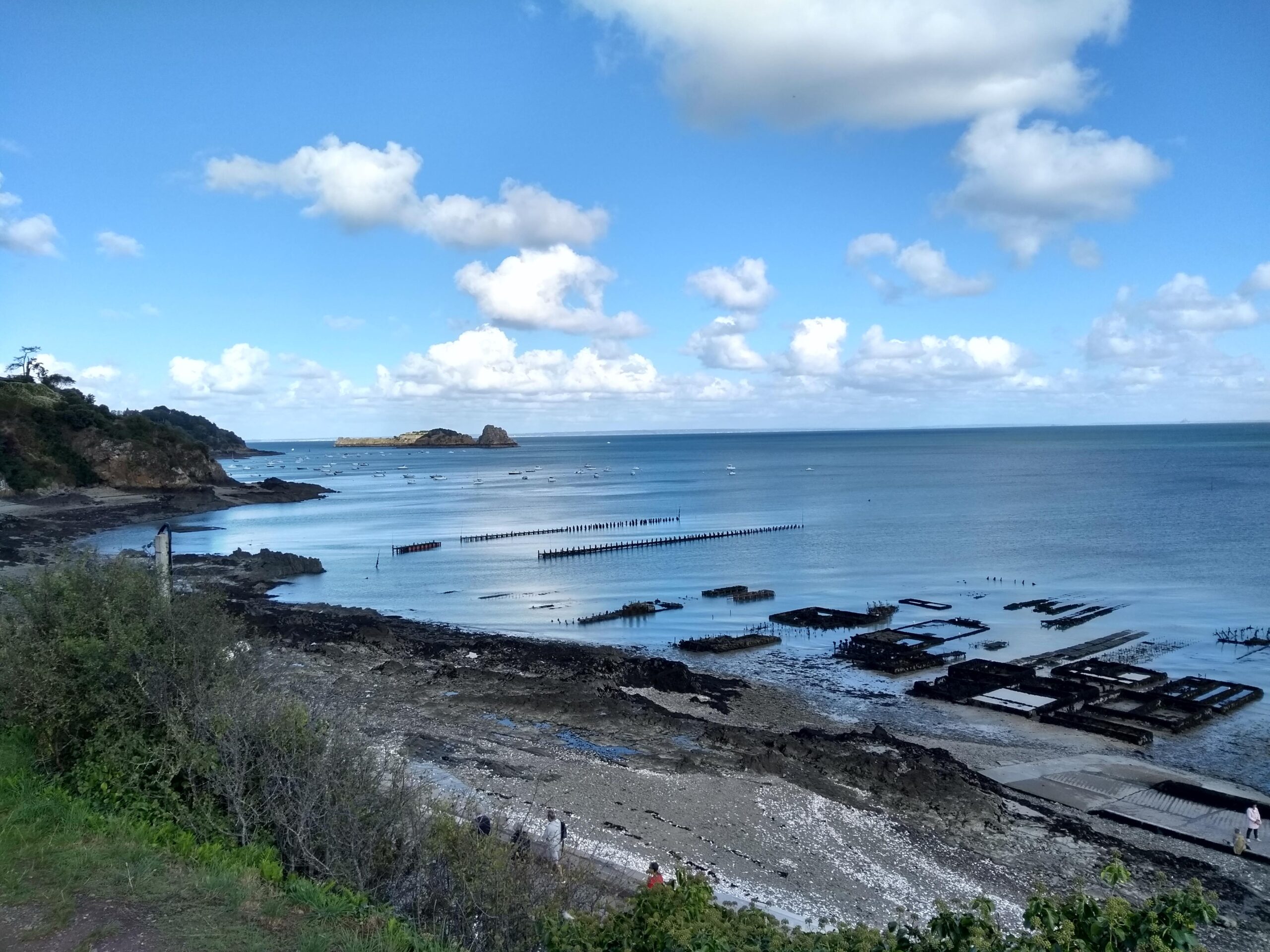
At low tide, vast oyster beds emerge from the mudflats in Cancale. A quiet reminder that the sea here is cultivated as carefully as it is navigated.