
When it comes to national pride, Italians and the French are remarkably similar. Both nations boast that they are the best – at food, at driving, at education, at life itself. But while they may share the same confidence, their approach to proving it could not be more different.

Two contrasting experiences illustrate my point. The first was when I was working in Italy. One evening, a colleague of mine took me to a restaurant he knew for dinner. He was a proud Italian and quite typically Italian in a lot of ways; confident, quick to smile, quicker to laugh and incredibly opinionated. But when we arrived that evening, I soon realised it was a seafood restaurant.
A vegetarian in a seafood restaurant should have been a disaster. Instead, my colleague smiled and assured me, “Don’t worry. I know the chef.”
When the waitress came over to ask for our orders, I let my colleague take the reins. He launched into an animated explanation, gestured toward me, and moments later the waitress returned delighted. The chef, she explained, was excited by the challenge.
I was stunned. In most situations like this, someone half-heartedly suggests something already on the menu with most of the ingredients taken out.
My Italian colleague was absolutely delighted. And while he tucked into all his seafood dreams, the waitress served me my very own vegetarian creation. What arrived was not a reluctant plate of plain pasta but a delicate potato gratin crowned with truffle shavings – my first taste of truffle and a revelation.
Italians do not simply claim excellence – they perform it.
Then we have the French
In France, the confidence runs quieter and deeper. The food is already the best. Whether that means a perfectly aged cheese or a glass of local wine. There is no need to prove it.
This means if you try to make any slight change to suit your dietary requirements, you aren’t met with the same excitement I found in Italy. Why change the recipe if it’s already the best of the best? Even the simplest of requests can be met with complete bemusement.
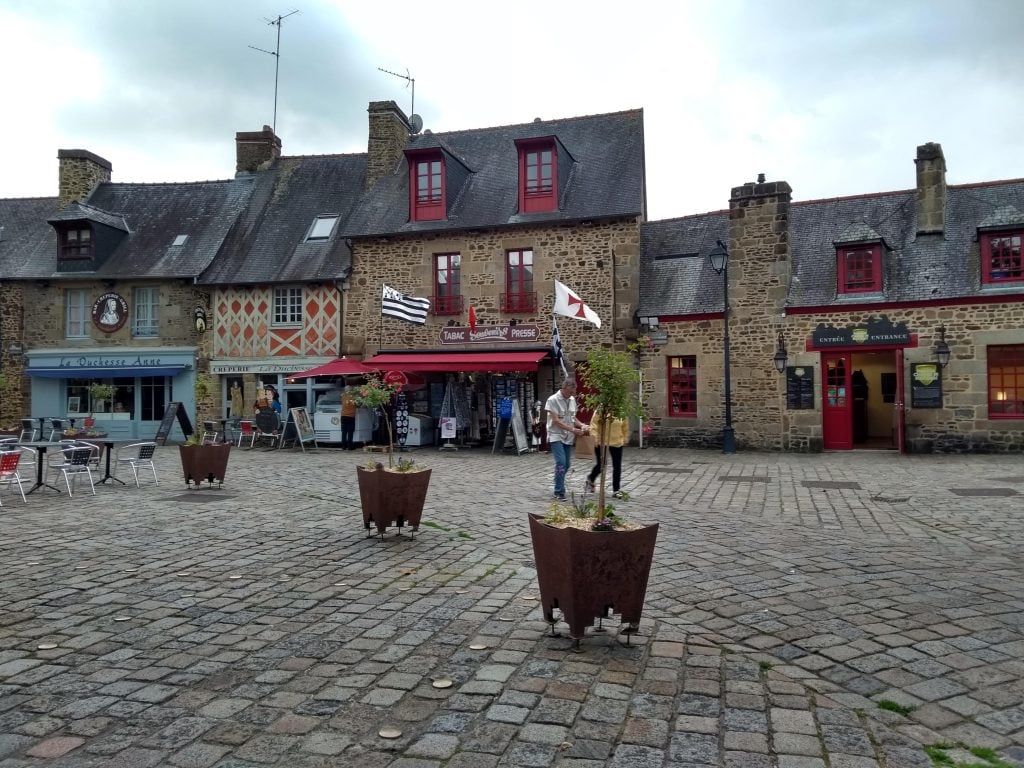
My parents came to visit me in France and I took them for a night out in Rennes. We walked around the centre, saw the sights and then made a dash for the nearest terrace for an aperitif. I asked the waiter for the cheese and charcuterie board without the charcuterie. A simple request, remove the meat and keep the cheese.
The waiter looked genuinely unsettled. He replied that he wasn’t sure if that was possible. I insisted that it was. He hesitated, left to consult a colleague and returned as though granting a diplomatic concession.
The wine and cheese arrived and it was perfect. A beautiful spread that included bread and olives, exactly what we were looking for. I thanked him far too many times when he brought it over but honestly, his face was a picture. He set it down with an expression that seemed to ask, “Are you quite sure this is what you want?”
In France, recipes are not suggestions. They are declarations.
Neither approach is better. In Italy, pride delights in the performance. In France, pride rests in tradition. Both believe their cuisine is unmatched but only one feels the need to demonstrate it. The other simply waits for you to agree.