The D-Day coastline stretches across several sectors, each tied to different Allied forces. Many visitors arrive with a specific connection – whether personal, national, or historical.
- The American sector centres on Omaha Beach and the sites around Colleville-sur-Mer.
- The British sector runs through Gold Beach, Sword Beach and inland towards Pegasus Bridge.
- The Canadian sector is focused around Juno Beach and Courseulles-sur-Mer.
If that connection matters to you, it makes sense to follow it.
But if you’re approaching the coastline for the first time, it’s better to choose one area and explore it fully rather than trying to move between them all in a single day.
How Most People Visit
Most visits to the D-Day beaches follow the same pattern: a list of names, a tight schedule, and a lot of time spent driving between places. The coastline is treated as something to cover, rather than something to understand. In trying to see everything, each site becomes disconnected from the next.
A Better Way to Explore
A better approach is to narrow your focus. Choose one sector, follow the geography and allow time between stops. The distances are short, but the context builds gradually. Each place adds to the last. What stays with you isn’t how much you saw, but how clearly it begins to make sense.
Begin inland, then drive to the coast:
- Start your day with breakfast in Bayeux and drive out early towards Pointe du Hoc.
- This is one of the most exposed points along the coast. The ground is uneven, marked by craters, with the remains of bunkers set back from the cliff edge. It is a starting point that feels immediate and sets the tone for the day.
Follow the coastline to Omaha Beach:
- From here, continue east towards Omaha Beach.
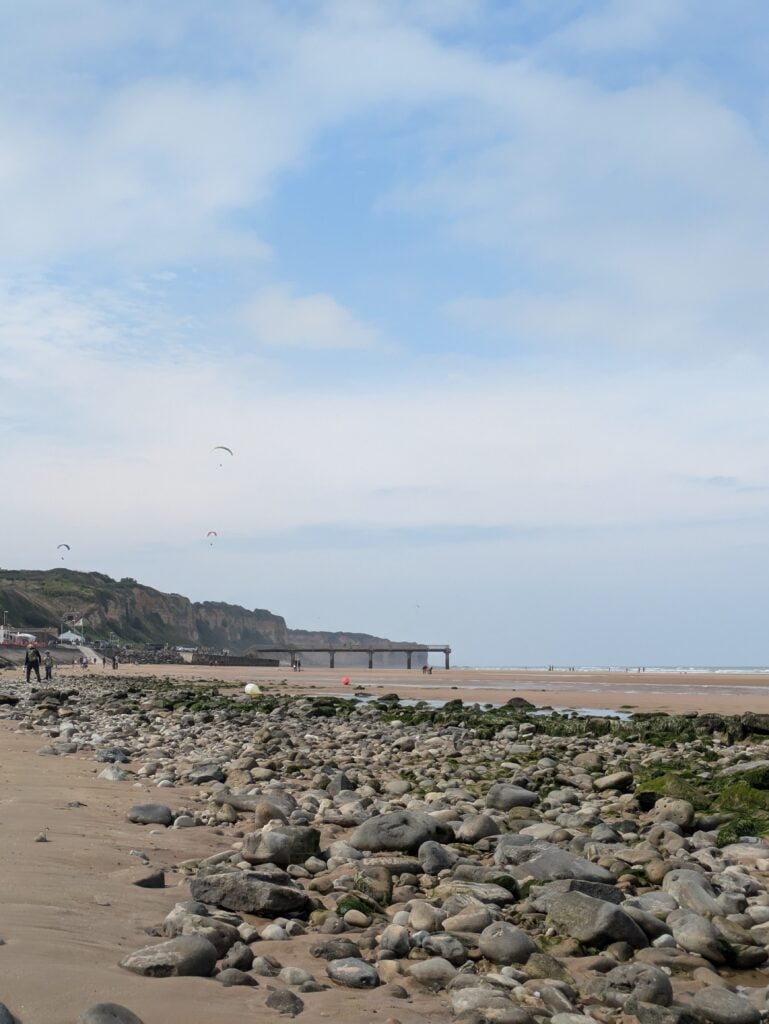
- If the tide allows, walk on the beach before doing anything else. The scale is what defines it – the openness, the lack of shelter, the sand stretching out ahead of you.
- A short drive brings you above the beach to the Normandy American Cemetery. Take your time here. Walk slowly between the headstones. Pause in the chapel.
Continue east. The wider coastline:
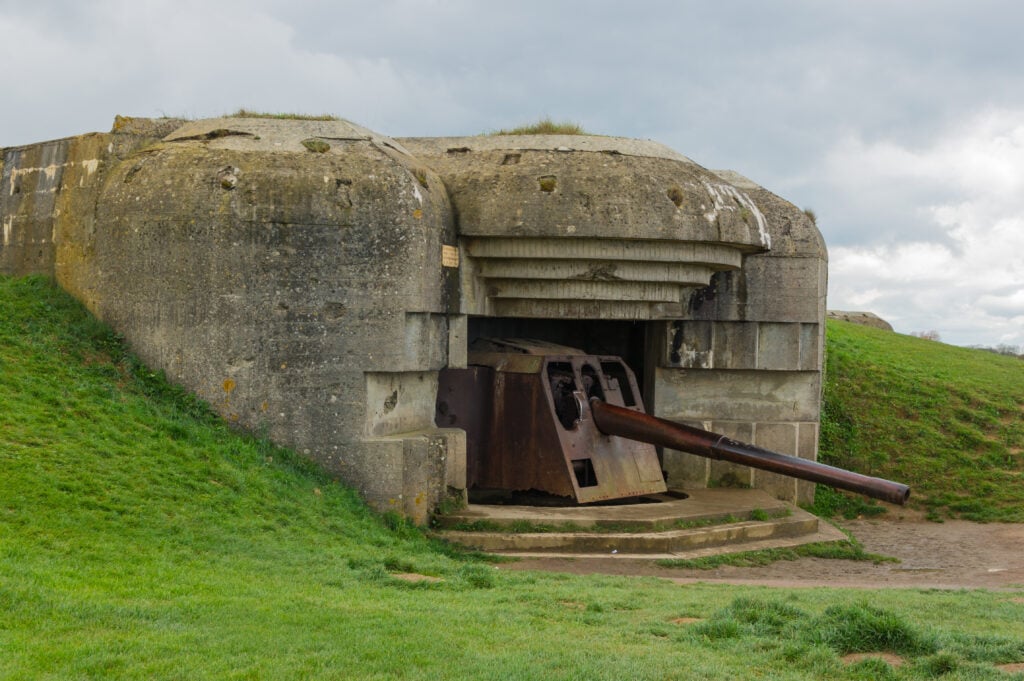
- In the afternoon, continue along the coast towards Longues-sur-Mer battery. This is one of the few sites where the artillery remains in place, facing out towards the sea.
Finish the day in Arromanches-les-Bains:
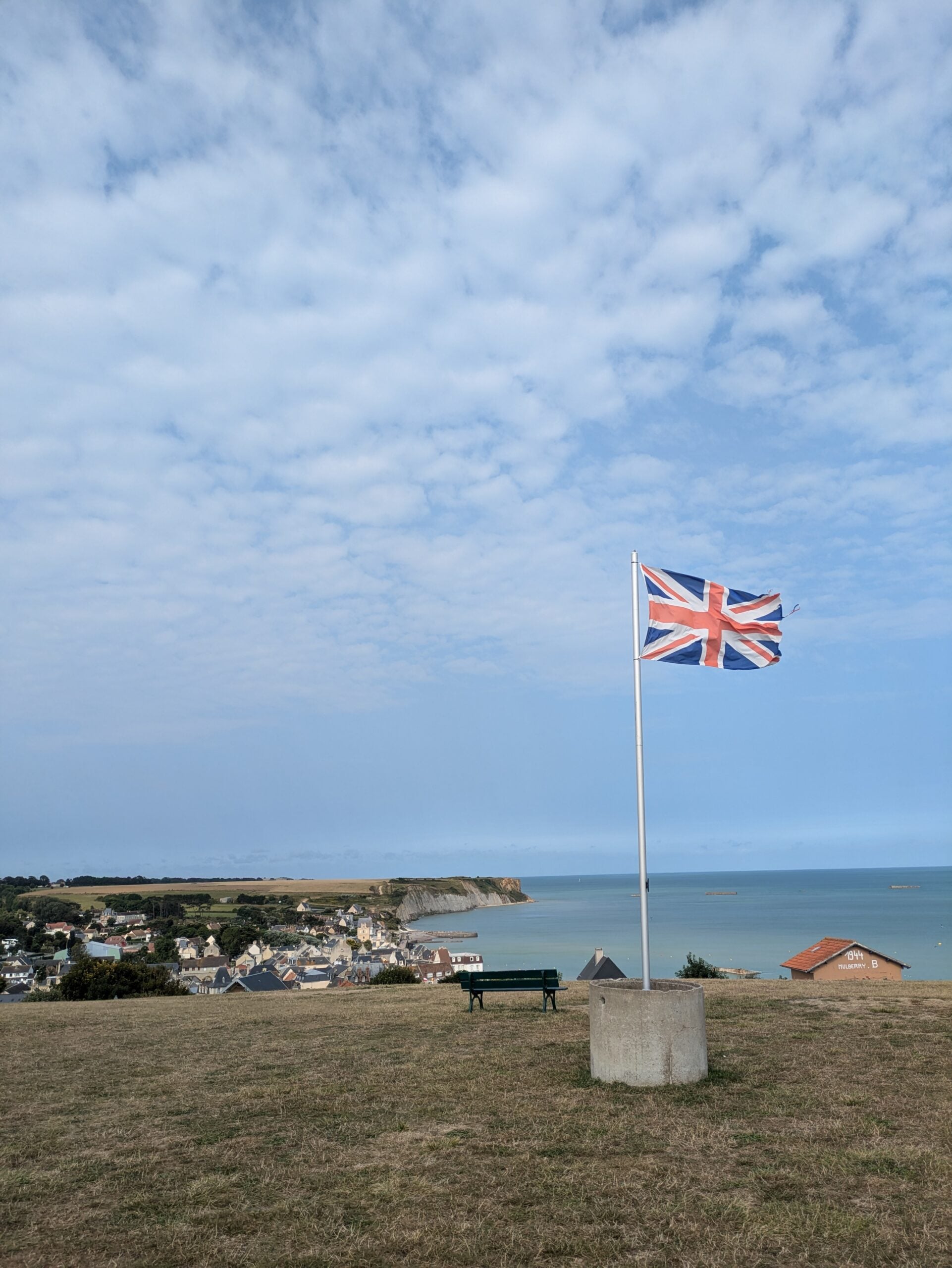
- The remains of the Mulberry harbour are visible offshore. It gives a clear sense of the scale of the operation. The town remains closely tied to its role in the landings, with much of its identity shaped by that history.
- Walk the streets, the beach, visit the museum and watch the film in the cinema above the town for more context.
Return inland:
- From here, return to Bayeux in the evening.
- This is a very full day and it doesn’t need to be completed in its entirety. Skipping one or two stops often leads to a better experience than trying to include everything.
Must-See Places
- Pointe du Hoc – A German defensive position captured by U.S. Rangers on D-Day. The site is largely unchanged, with visible bomb craters and bunker remains spread across the headland.
- Omaha Beach – The most heavily defended landing sector on June 6, 1944, where Allied forces faced intense resistance on landing. Today, the beach remains wide and exposed.
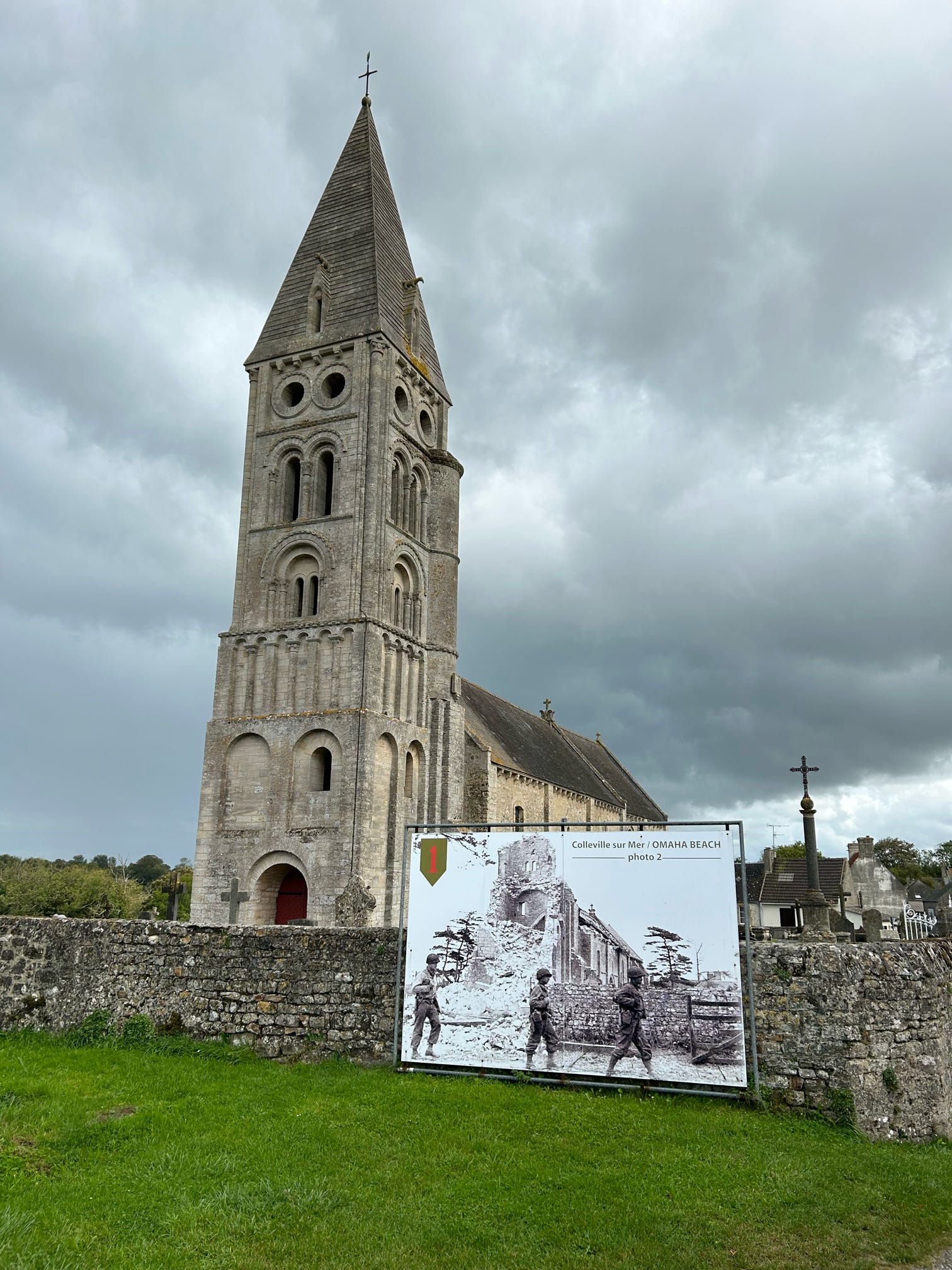


- American Cemetery – Located above Omaha Beach at Colleville-sur-Mer, this cemetery contains the graves of over 9,000 American soldiers. The site includes a visitor centre and overlooks the landing area.
- Longues-sur-Mer Battery – A German coastal artillery battery positioned between Omaha and Gold beaches, and one of the few sites where the original guns remain in place, still facing out to sea.
- Mulberry Harbour – Part of the temporary harbour constructed after the landings to supply Allied forces. The remains of the concrete caissons are still visible offshore.
Practical Stops
The coastline is spread out but there are a few places that work well for stopping along the way. Places to pause, eat well and take in a bit of the local atmosphere between sites.
Pointe du Hoc
- On-Site Parking
- Visitor Centre with toilets
Omaha Beach
- Parking all along the beach – can get busy at peak times
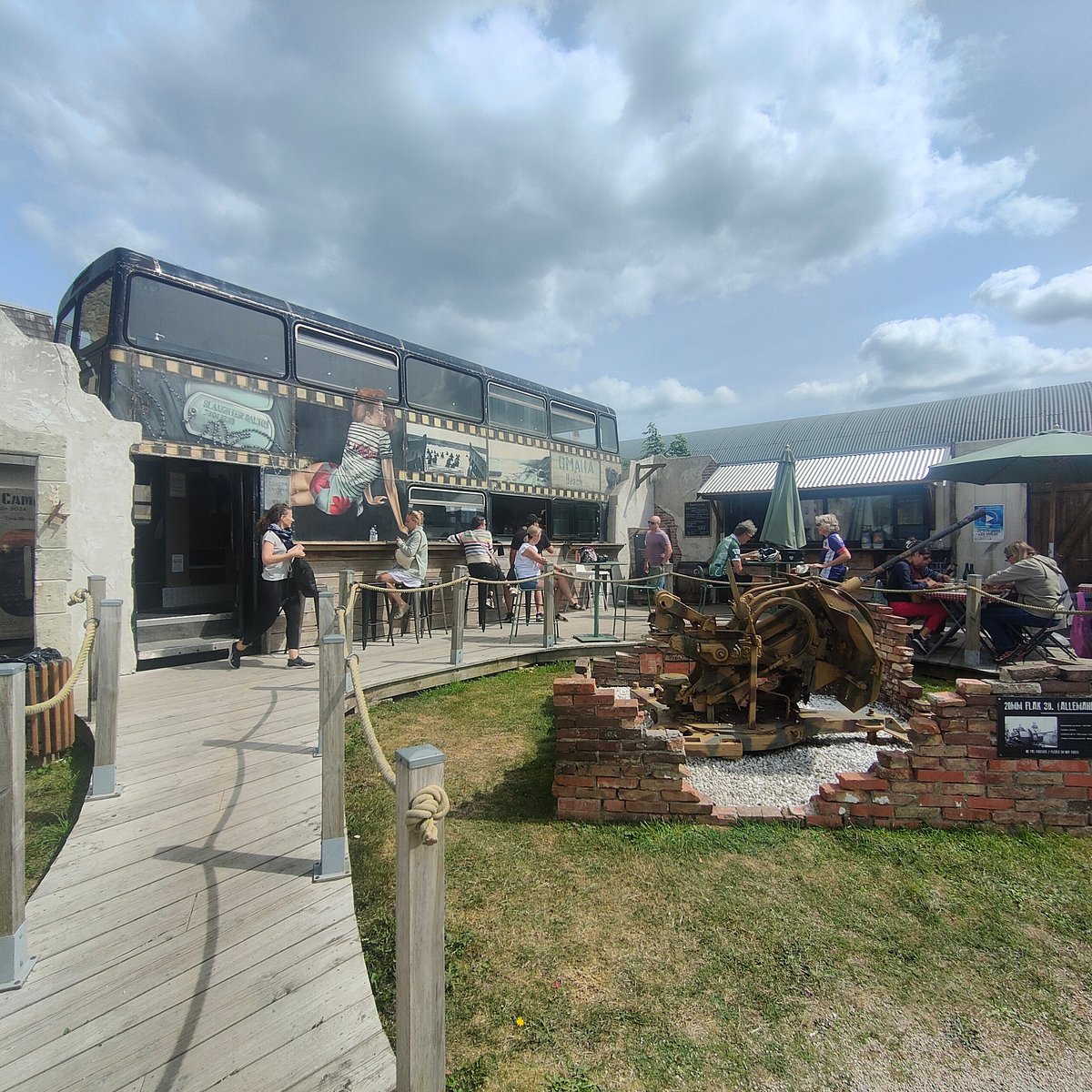
- l’Embusqué – Good lunch spot next to the Omaha D-Day museum above Omaha beach
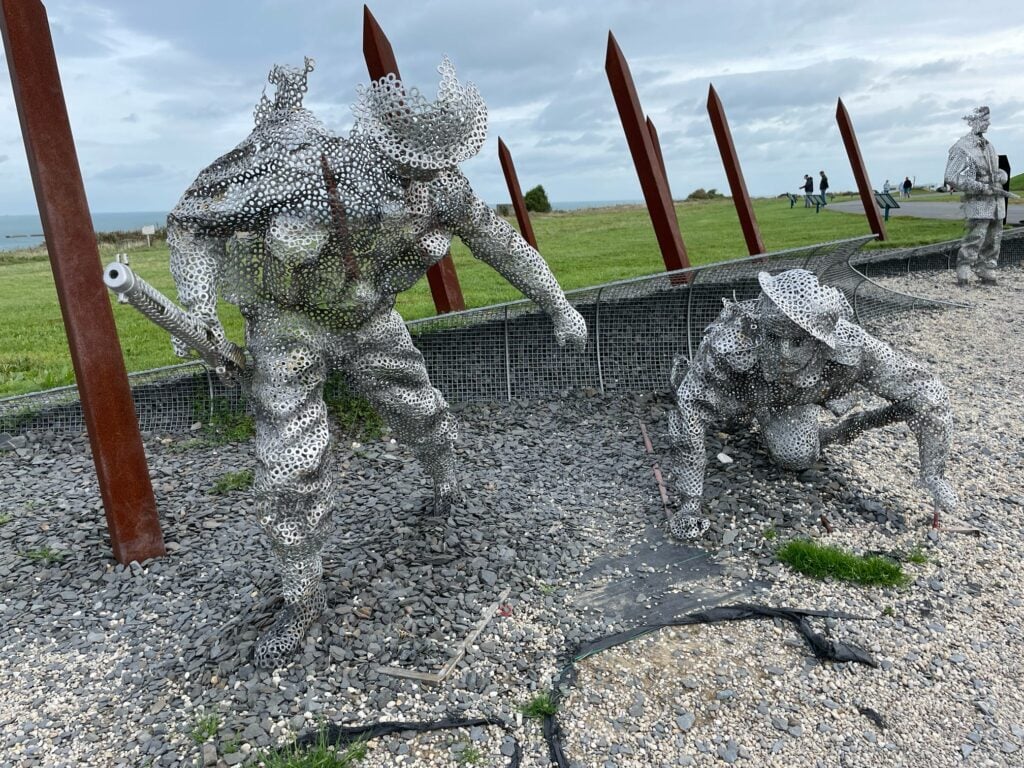
- L’Omaha – Just behind the Braves statue in the centre of the beach. A reliable option for food just behind the main beach access.
- La Sapiniére – Set back from the beach itself this is a great restaurant for a sit down lunch or just to grab something from their snack bar.
Longues-sur-Mer
- On-Site Parking
- Visitor Centre with toilets
- Le Chalet Gourmand – A small snack stand run by a local woman. Excellent local sweet treats with tea and coffee.
- Ferme de Félicité – A small cider farm. A great stop to try local calvados and cider.
Arromanches-les-Bains
- Parking can be difficult at peak times. Easiest parking is up at the 360 cinema and walk down into town.
- Crêperie de la Plage – Delicious crêpes and galettes with a view of the beach
- Sergent Willys – For a quick stop on a sunny day. The welcoming staff offer burgers and sandwiches as well as ice cream.
If You Have More Time
These areas are best explored as separate routes, rather than added onto an already full day.
Juno Beach & Courseulles-sur-Mer
Centred on the Canadian sector, this stretch of coastline feels more contained, with the town of Courseulles-sur-Mer closely tied to the beach itself. The Juno Beach Centre provides useful context, but the experience is just as much about walking the shoreline and spending time in the town.
It works best as a slower day, moving between the beach, harbour and surrounding streets rather than covering distance. Canada House and the Canadian Cemetery are two sites here worth taking your time with.
Sword Beach & Pegasus Bridge
This sector is more fragmented, with key sites spread between the coast and inland waterways. Pegasus Bridge is the focal point, set along the Caen Canal, and is best understood in relation to the surrounding landscape rather than as an isolated stop.
If you are staying in Caen, follow the canal north either by car or by bike via the canal greenway, to get a real sense of this area and visit the first house liberated in France.
Utah Beach & Saint-Mère-Eglise
Further west, the landscape opens out and the atmosphere becomes noticeably quieter. Utah Beach is less built-up, with long stretches of sand and fewer immediate landmarks.
Including Sainte-Mère-Église adds context inland. The town is closely linked to the airborne landings and provides a different perspective on the events of D-Day. The Airborne Museum here is considered one of the best in Normandy.